Comprehensive Design Planning for Commercial & Industrial Rooftop Solar Projects
Solar Rooftop Detailed Engineering Design is a complete set of technical drawings and documentation required for the successful installation of solar power plants on commercial and large industrial rooftops. This stage covers both structural and electrical design, ensuring the system is safe, efficient, and optimised for long-term performance.
Detailed engineering design helps streamline execution by providing installers with clear, accurate drawings, reducing errors on site, controlling project costs, and maximising energy generation.
Our experienced engineering team delivers precise, code-compliant design plans that improve installation accuracy.
What Does Rooftop Detailed Engineering Design Include?
Structural Design
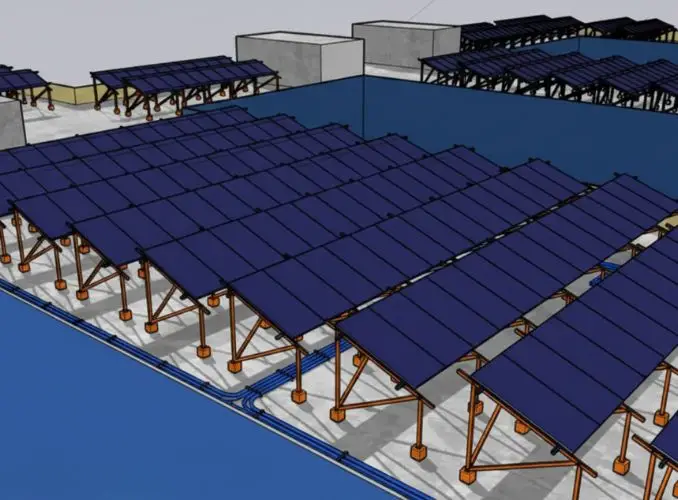
Engineered solar rooftop layouts for stability, safety, and efficient material usage to control installation costs.
Monitor Energy Flow
Solaar Sustainable Energy: Harness Solar Power for a Greener Future with Reliable, Eco-Friendly Technology
Bill of Quantities (BOQ)
Component Planning: Accurate material lists for smooth installation, efficient procurement, and budget control.
Electrical Design
Comprehensive wiring, earthing, and connectivity diagrams to ensure smooth integration with existing LT panels and the utility grid.
3D Design & Analysis
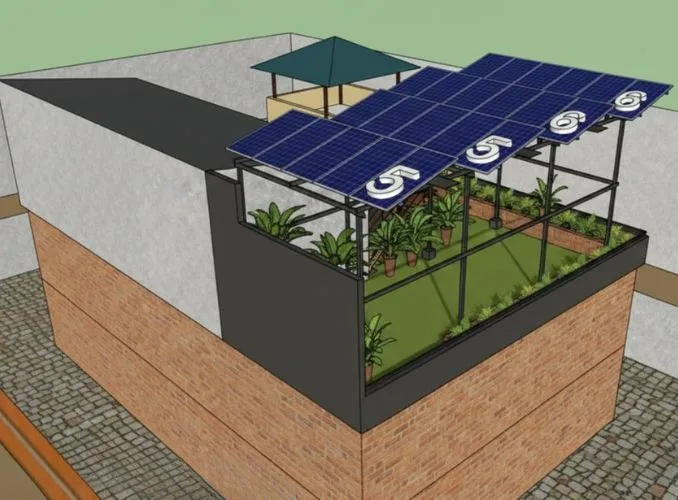
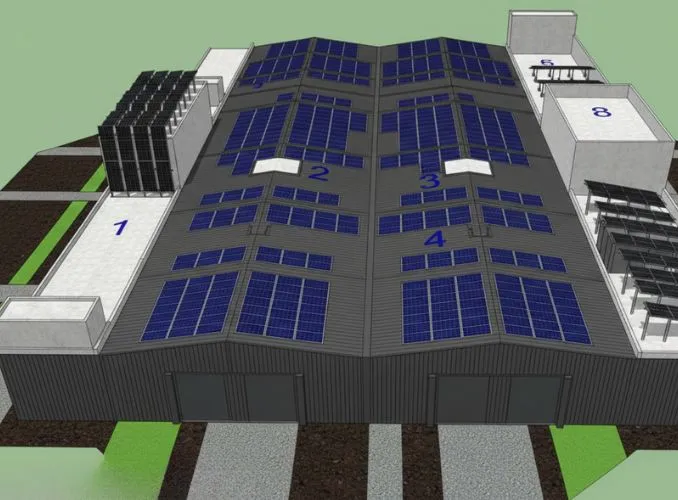
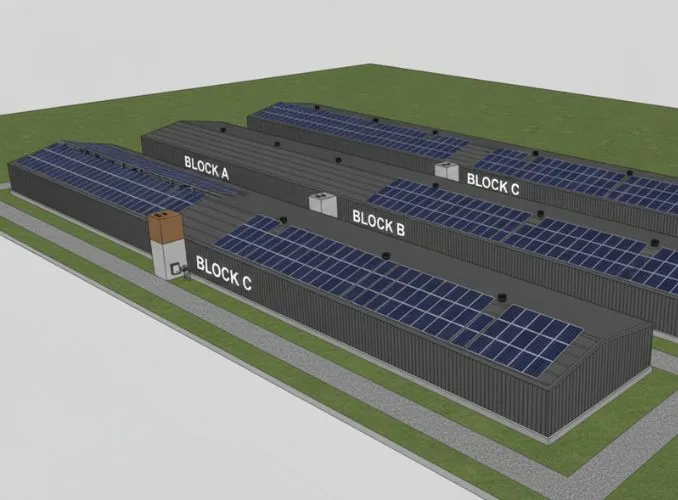
Three-dimensional visualisation of panel placement to optimise layout, identify shading impact, and improve overall system efficiency.

Energy Forecasting Report
Estimated energy generation, performance ratios, and financial returns to support project planning and ROI evaluation.
Why Detailed Engineering Design Is Essential for Rooftop Solar Projects
Rooftop solar installations present unique challenges, as most buildings are not originally designed to support solar systems. Limited space, structural load considerations, and existing electrical infrastructure require careful planning.
- Structural stability against wind loads and environmental conditions
- Proper routing of cables and earthing systems
- Seamless integration with existing LT panels and grid networks
- Reduced execution risks and on-site modifications
- Safe, compliant, and efficient system operation